


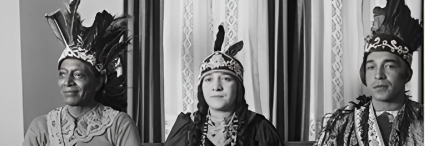
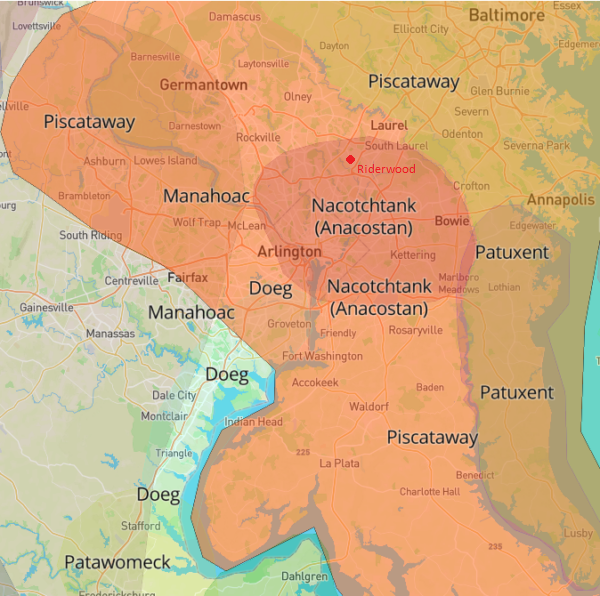
Riderwood Village is located in the area now known as ZIP code 20904, which includes parts of Silver Spring and Colesville in Maryland. This region was originally inhabited by the Nacotchtank and Piscataway people, who are integral to the area’s rich history.

Page Contents
Early Days
The Nacotchtank and Piscataway were among the original inhabitants of the area when the English began exploring in the 1600s. However, the arrival of European colonizers had devastating effects on these Native tribes. European colonization brought disease, war, and the forced removal of many tribes from their lands, leading to significant population declines and cultural disruptions. The Nacotchtank’s numbers were decimated over time, and the survivors were adopted into the Piscataway people, resulting in the loss of their original cultural identity.
By the 1700s, the Anacostans, another tribal group, had also merged with the Piscataway and other tribes to the north, as they were dwindling in numbers. The Piscataway people were part of the larger Powhatan Confederacy, which included tribes such as the Pamunkey and Mattaponi. Historically, the Piscataway lived in the Chesapeake Bay region, which encompasses parts of what is now Maryland and Virginia. They were skilled farmers who cultivated vital crops like maize, beans, and squash. In addition to agriculture, they relied heavily on the abundance of fish and wildlife in the region to supplement their diet. Their society was structured hierarchically, and they established permanent villages along the fertile banks of the Potomac and Patuxent Rivers.
English Settlers
Contacts with English settlers began during the early colonial period, and although the Piscataway maintained a presence in the area, the increasing influx of settlers led to significant challenges. As more settlers arrived, the Piscataway people began to lose control over their lands and resources, leading to further cultural erosion and social disruption. Despite these challenging circumstances, the Piscataway people have made significant efforts to preserve their culture and traditions throughout the years.
Today
Today, the Piscataway Indian Nation and the Piscataway Conoy Tribe of Maryland are recognized by the state of Maryland. These tribes continue to advocate for their rights, seeking to promote awareness of their cultural heritage and to ensure the preservation of their traditions for future generations. They actively engage in educational outreach and community activities aimed at revitalizing their language and cultural practices, reflecting their resilience and commitment to their ancestral heritage.
There are several archaeological sites related to the Piscataway people and their history in the broader region. One notable site is the Zekiah Fort, located in Charles County, Maryland. This site contains traces of a 17th-century fortified Piscataway settlement, which provides valuable insights into their way of life during that time. If you’re interested in learning more about these sites, you might consider visiting local historical societies or museums, such as the Montgomery County Historical Society or the National Museum of the American Indian. These institutions often feature exhibitions that highlight the rich history and contributions of the Piscataway people, as well as other Native American tribes.
References
If you are interested in learning more about the history and culture of the Piscataway people, check the links below for resources and additional information.
Piscataway Indian Nation and Tayac Territory (Wikipedia)
History of Native Americans in Washington, D.C. (Wikipedia)
Native Peoples of Washington, DC (National Park Service)